体验式旅游正推动旅游目的地从传统观光向深度互动转型,将体育元素融入旅游景点成为新兴趋势,通过在景区开展徒步、骑行、水上运动等特色体育项目,或举办马拉松、攀岩赛事,游客可从被动观赏转为主动参与,在运动中感受目的地自然与人文魅力,这种融合不仅丰富了旅游产品供给,延长游客停留时间,还通过“体育+旅游”模式激活目的地经济活力,实现文化传承与产业创新的双赢,为体验式旅游开辟了更具活力与吸引力的新路径。
In an era where travel is no longer limited to passive sightseeing, a transformative trend is emerging: the integration of sports into tourist attractions. This fusion redefines the travel experience, blending physical activity with cultural immersion, natural exploration, and adventure. By embedding sports elements into destinations, attractions can cater to the growing demand for wellness-focused, interactive, and memorable journeys—turning static spots into dynamic spaces where movement meets discovery.
Why Integrate Sports into Tourist Attractions?
Modern travelers, particularly younger generations, seek more than just photo opportunities. They crave authentic, engaging experiences that align with their lifestyles, which increasingly prioritize health and sustainability. Sports integration addresses this shift by offering visitors a chance to "do" rather than just "see." For instance, instead of merely admiring a mountain range, visitors can hike its trails; instead of observing a historical city from a bus, they can cycle through its ancient streets. This not only enhances visitor satisfaction but also extends their stay, boosting local economies through increased spending on accommodations, dining, and equipment rentals.
Innovative Forms of Sports Integration
Sports can be woven into attractions in diverse ways, tailored to the destination’s natural, cultural, or urban fabric.
Natural Landscapes: Adventure Meets Scenery
Mountainous regions, coastlines, and forests are ideal for outdoor sports. For example, Zhangjiajie National Forest Park in China has introduced zip-lining courses that let visitors soar above its iconic quartzite sandstone pillars, combining adrenaline with breathtaking views. Similarly, the Li River in Guilin offers kayaking tours, allowing travelers to paddle through karst landscapes at their own pace. In the U.S., Yellowstone National Park features guided cross-country skiing trips in winter, turning snowy meadows and geothermal areas into active playgrounds.
Cultural Sites: Movement Through History
Heritage attractions can leverage traditional or local sports to deepen cultural connections. The Great Wall of China, for instance, now hosts annual "Great Wall Marathon," where runners tackle its steep steps while soaking in millennia of history. In Kyoto, Japan, visitors can participate in a "tea ceremony hike," blending a walk through bamboo forests with a lesson in the Japanese tea ceremony. Even urban sites like Rome’s Colosseum have introduced gladiator-themed fitness classes, letting visitors "train like a Roman" amid ancient ruins.
Urban Spaces: Fitness-Friendly Cityscapes
Cities are transforming into hubs for sports tourism by integrating infrastructure like bike lanes, climbing walls, and outdoor gyms. Barcelona’s "urban trails" combine running routes with stops at Gaudí’s masterpieces, while Copenhagen’s " harbor swimming" spots allow locals and tourists to swim in clean, monitored waters alongside the city’s skyline. In Singapore, the "Gardens by the Bay" features a "sup yoga" experience, where practitioners pose on paddleboards amid the park’s futuristic Supertrees.
Benefits Beyond Tourism
The impact of sports integration extends far beyond visitor numbers. Environmentally, it promotes sustainable tourism by encouraging low-impact activities like hiking or cycling, reducing reliance on motorized transport. Culturally, it helps preserve traditional sports—such as Thai Muay Thai or Indian Kalaripayattu—by creating platforms for visitors to learn and practice them. Socially, it fosters community engagement: local sports clubs often collaborate with attractions to offer workshops, creating jobs and intercultural exchange.
Challenges and Considerations
While the potential is vast, successful integration requires careful planning. Safety is paramount: attractions must ensure proper equipment, trained staff, and clear guidelines for activities like rock climbing or water sports. Environmental protection is equally critical—overcrowding from popular events (e.g., marathons) can damage fragile ecosystems, so balancing access with conservation is key. Additionally, cultural sensitivity matters: sports activities should respect local traditions and avoid commodifying sacred practices.
The Future of Active Travel
As travelers continue to prioritize "experiential tourism," the fusion of sports and attractions will only grow. Future innovations may include tech-enhanced experiences—such as AR-guided hikes that overlay historical narratives onto trails—or niche sports like e-bike tours for sustainable urban exploration. Destinations that embrace this trend won’t just attract visitors; they’ll create loyal advocates who carry home stories of movement, connection, and discovery.
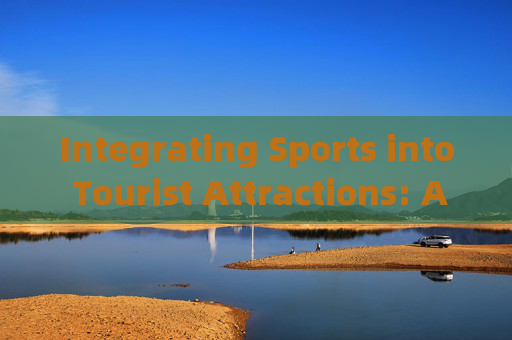
In the end, integrating sports into tourist attractions is more than a trend—it’s a reimagining of travel as a journey that engages the body, mind, and spirit. By inviting visitors to run, climb, pedal, and play, attractions transform from places to visit into places to live—even if just for a day.